Tool Tutorial
What Is a Half Elf Name Generator and Who Uses It
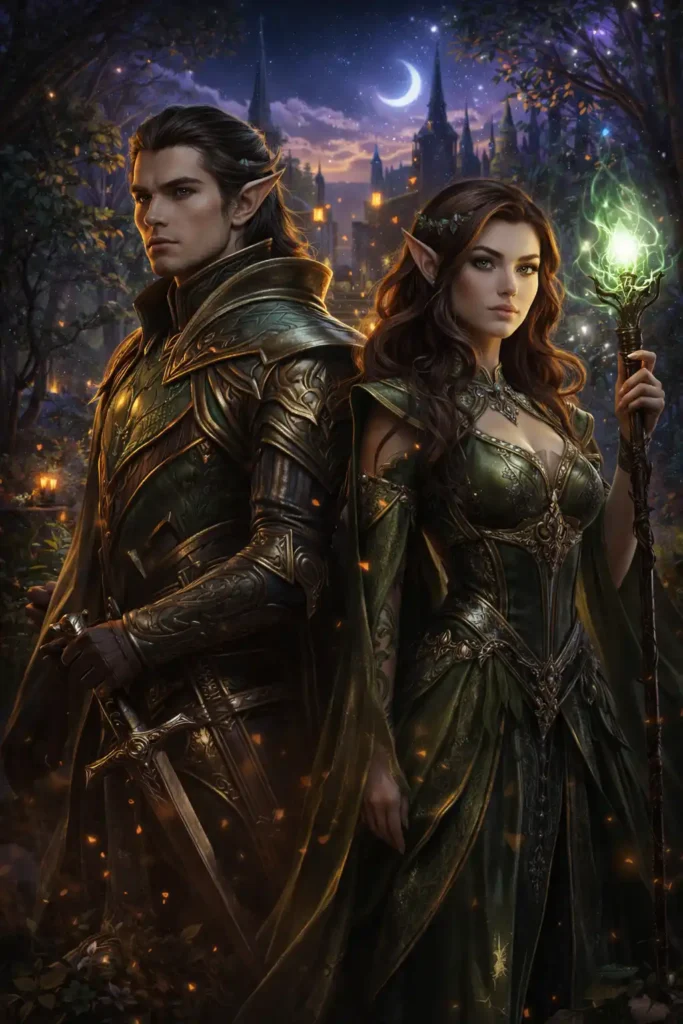
Half-elves occupy a unique narrative space in fantasy fiction. Born of dual heritage one foot in the immortal elvish world, the other planted firmly in the mortal human realm they carry names that reflect this tension between two bloodlines. A name for a half-elven character is rarely purely elvish or entirely human. It draws from both traditions, sometimes blending Sindarin structure with a human surname, sometimes anchoring a recognizably elvish first name to a clan designation inherited from a human parent.
The BeastSkins half elf name generator was built specifically to serve this complexity. It is used by tabletop roleplayers building characters for D&D campaigns, Pathfinder sessions, and Elder Scrolls homebrew settings. Writers developing half-elven original characters for fan fiction use it to find names that feel lore-accurate without requiring deep knowledge of elvish linguistic traditions. Cosplayers, LARP participants, and worldbuilders drafting entire fictional genealogies for their own fantasy settings return to it when standard name pickers deliver results that feel too generic to carry the weight of a dual-heritage identity.
How Half-Elf Names Work Origins, Structure and Naming Conventions
Understanding the structure behind half-elven names makes the generator significantly more useful. Elvish names whether drawn from Tolkien’s Sindarin and Quenya traditions, the Forgotten Realms elvish dialects of D&D lore, or the High Elven and Night Elven languages of World of Warcraft follow patterns that prioritize flowing vowel sounds, soft consonants, and syllable combinations that create a sense of antiquity and continuity. Names like Aelindra, Faelorn, and Celebrian carry this quality they sound ancient even in a contemporary context.
Human surnames, by contrast, tend to be descriptive and practical Ironwood, Greymarch, Starfall. When a half-elf takes a full name, it often pairs an elvish first name with a human surname, or a human-leaning first name with an elvish family designation. The heritage blend slider in the generator directly controls which side of this spectrum the output favors. Push it toward Elf and the results lean into Quenya and Sindarin phonology. Push it toward Human and the names become more grounded, more pronounceable by the humans in your fictional world who have never learned elvish speech patterns.
Pathfinder half-elf naming conventions follow broadly similar logic, though Pathfinder’s lore adds additional nuance around whether the character was raised in an elven community, a human settlement, or in isolation between both a detail that the alignment and backstory lore options in the generator can help reflect.
How to Use the Half Elf Name Generator Complete Step by Step Walkthrough
Step One Gender Selection
The first configuration option is gender. Four settings are available Any, Male, Female, and Neutral. Any draws from the full name database across all gender categories. Male and Female filter the output to names associated with those gender expressions in elvish and human naming traditions. Neutral produces names that function without gender association useful for non-binary characters, certain magical beings, or settings where gendered naming conventions do not apply. Selecting Male in a D&D context will surface names like Soveliss, Quarion, and Arannis names that appear in Forgotten Realms lore and carry the characteristic elvish consonant structure.
Step Two Heritage Blend Slider
The heritage blend slider is one of the most distinctive features of this tool. It runs from More Elf on the left to More Human on the right, with Balanced at the midpoint. Dragging toward Elf prioritizes Tolkien and D&D name databases, surfacing names with Sindarin and Quenya linguistic roots. Dragging toward Human shifts the output toward Original Fantasy and World of Warcraft naming conventions where the elvish influence is present but subdued. For a wood half elf name generator context a character from a forest community who grew up among elves keeping the slider toward the Elf end produces names that would be recognized as genuine within that community.
Step Three Name Style
Three name style options refine the output further. Elvish Heavy filters for names where elvish phonological patterns dominate names beginning with classic elvish prefixes like Ael, El, Cel, Fael, and Cal. Human Heavy produces names where the human side of the heritage is more audible. Balanced allows both traditions to appear in the results with equal probability. For a drow half elf name generator context, Elvish Heavy combined with the Dark world bias produces names with the compressed, harder-edged quality associated with dark elvish naming traditions.
Step Four Character Class and Alignment
Eight character class options appear as chip selectors Warrior, Mage, Rogue, Ranger, Bard, Paladin, Druid, and Any. The selected class appears as a tag on each generated name card and influences the thematic framing of the backstory lore when that option is enabled. A Ranger with a forest-oriented name and a wood elf heritage bias produces a distinctly different character archetype than a Mage with a Quenya-origin name and a Tolkien world setting.
Alignment works similarly Good, Neutral, Evil, Chaotic, and Lawful options allow the generator to frame the character’s moral orientation in the output tags. For D&D campaign preparation, having alignment visible on each generated card speeds up the process of selecting names that fit specific character concepts without requiring the player to mentally cross-reference multiple systems simultaneously.
Step Five Language and Lore World
Five lore world settings control which name database the generator draws from as its primary source Tolkien / Middle-earth, D&D / Forgotten Realms, World of Warcraft, Elder Scrolls, and Original Fantasy. For a half elf name generator dnd context, selecting D&D / Forgotten Realms surfaces names drawn from Faerun elvish traditions Naïlo, Galanodel, Amakiir, Holimion, and the other elvish family names that appear throughout Forgotten Realms sourcebooks. For Elder Scrolls, the Original Fantasy setting produces names consistent with Tamrielic elvish traditions. Tolkien / Middle-earth draws from Sindarin and Quenya name structures that Tolkien developed across The Lord of the Rings and The Silmarillion.
Step Six Starting Letter and Name Length
The starting letter dropdown filters the entire output to names beginning with a specific letter useful when a player has already decided their character’s name starts with a particular sound, or when a dungeon master needs a set of NPC names that all begin with the same letter for mnemonic reasons. Name length filters offer Short, Medium, Long, and Any Short returns names of five characters or fewer, Medium covers six to eight characters, and Long produces names of nine or more characters.
Step Seven Include Options and Generate Count
Four checkboxes control what appears on each generated name card. Name Meaning adds an italicized meaning beneath each name “Starlight woven into form” or “Noble servant of starlight.” Pronunciation Guide adds a phonetic rendering to each card particularly useful for players who want to speak their character’s name correctly at the table without guessing at elvish pronunciation rules. Backstory Lore expands each card with a short narrative snippet about the character implied by the name. Include Surname toggles between generating first name only or a full name with surname.
Generate count options 5, 10, 15, or 20 control how many name cards appear per generation. For a campaign session where the DM needs a complete roster of half-elven NPCs, generating 20 at once with the Include Surname option active and backstory lore enabled produces a ready-to-use cast in under a minute.
Advanced Features Compatibility, Blender and Party Builder
Name Compatibility
The name compatibility tool accepts two names as input and produces a compatibility score from 0 to 100, with a descriptive result ranging from “A legendary pairing destined for epic tales” at the high end to “An unlikely pairing but legends are born from conflict” at the low end. The score is calculated through phonetic analysis shared letters, syllable length difference, vowel density combined with a randomization element that ensures no two checks produce identical results. Writers developing romantic or rivalry relationships between half-elven characters use this feature to find name pairings that feel intentional rather than arbitrary.
Name Blender
The name blender takes two input names and combines their syllable structures into a single new name. Entering “Aelindra” and “Faelorn” produces a blended result that carries phonetic elements of both source names. This is particularly useful for generating names for characters who are themselves the children of named parents a dnd name generator half elf use case where the character’s name literally reflects both parental lineages in its sound.
Party Builder
The Party Builder tab generates a complete five-member adventuring party with roles Party Leader, Arcane Advisor, Shadow Scout, Nature Warden, and Party Healer each assigned a randomly generated half-elven name and character class. For dungeon masters building a pre-existing half-elven faction their players will encounter, the party builder produces a complete named group in a single click. The Copy Party Names button transfers all five names and their roles to the clipboard for immediate use in campaign notes.
Favorites, Sharing and Export
Each generated name card includes a star button that saves the name to the Favorites tab. Saved names persist through the session and can be reviewed, compared, and exported independently of the main generated list. The Copy All button transfers all currently generated names to the clipboard as plain text. Copy with Details includes the name, gender, origin, and character class for each result suitable for pasting directly into a character sheet or campaign document.
Two share buttons at the bottom of the results panel allow the generated names to be shared directly to WhatsApp or X. Writers and players who want input from their group before committing to a name can share a shortlist of favorites in a group chat and collect responses before making a final decision.
If you enjoy character creation tools across multiple franchises, the MHA Quirk Generator builds complete superpower profiles for My Hero Academia characters with the same depth of customization. For writers who want to develop narrative context around generated names, the AI Fanfic Generator produces complete fan fiction stories built around the characters and universes you define. The Random Name Generator Wheel offers a different interactive format for name selection when the decision needs a group dynamic. For session variety between character creation phases, the Imposter Game Word Generator runs a complete social deduction word game for any group. The Invincible Title Card Generator lets you create dramatic title cards for the characters your half-elf names represent. Creators building broader creative projects will also find value in the Random Food Generator for worldbuilding food culture detail, and the Random NBA Player Generator for any sports-adjacent creative work.
Famous Half-Elves Reference Tab
The Famous Half-Elves tab provides a reference table of canonical half-elven characters drawn from major fantasy traditions Arwen, Elrond, Elladan, Elrohir, Eärendil, and Elwing from Tolkien’s legendarium; Soveliss, Arannis, Varis, and Arannis from D&D’s Forgotten Realms sourcebooks. Each entry lists the character’s name, linguistic origin, fictional universe, and name meaning. The table functions as both a naming inspiration resource and a quick lore reference useful for players who want to understand what makes canonical half-elven names sound the way they do before generating names that follow the same structural logic.
Frequently Asked Questions
How many names are in the generator database?
The generator draws from a database of over 280 unique half-elven names spanning five lore worlds Tolkien / Middle-earth, D&D / Forgotten Realms, World of Warcraft, Elder Scrolls, and Original Fantasy. Each name includes a meaning, phonetic pronunciation, origin classification, and rarity designation. The combination of filters across gender, heritage, style, length, starting letter, and lore world produces thousands of distinct configuration states, ensuring variety across repeated generation sessions.
Can I use this as a female half elf name generator specifically?
Yes. Selecting Female in the gender filter restricts the output to names associated with feminine half-elven naming traditions across all five lore worlds. Combined with a specific lore world selection and the Include Surname option, the female-filtered output produces complete feminine half-elven names with meanings and pronunciations for immediate use in any fantasy setting.
Does the generator work for Pathfinder half-elf characters?
Yes. Pathfinder’s half-elf naming conventions draw from the same elvish linguistic traditions as D&D, with some regional variation based on whether the character was raised in a human or elven community. Selecting D&D / Forgotten Realms as the lore world, adjusting the heritage slider to reflect the character’s upbringing, and enabling the backstory lore option produces names and narrative context that translate directly into Pathfinder character creation.
What is the difference between the Name Blender and generating a new name?
Standard generation draws from the existing name database and applies your filter configuration to select matching entries. The Name Blender creates an entirely new name by combining the phonetic structure of two names you input it does not reference the database at all. The blended result is unique to the two source names you provide and will not appear in standard generation results. This makes it particularly useful for characters whose names are meant to reflect a specific parental lineage rather than a general half-elven naming tradition.
Can I save multiple sessions of generated names?
The Favorites system saves starred names within the current browser session. Clearing the browser or closing the tab will reset saved favorites. To preserve names across sessions, use the Copy with Details button to export your favorites as text and save them in a document or note-taking application. The copy output includes the full name, gender, origin, rarity, and character class for each saved entry.
Is this tool suitable for non-D&D fantasy settings?
Yes. The Original Fantasy lore world setting generates names that are not tied to any specific intellectual property they follow elvish phonological conventions without referencing Tolkien, D&D, or any other established canon. These names work equally well in original worldbuilding, independent tabletop systems, fiction writing, and any creative context where a half-elven naming tradition needs to feel authentic without borrowing directly from an existing franchise.